
Three practices for a joyful end of the school year
School’s out on June 25th. My last month with my fifth graders is a fun one- filled with field trips, assemblies, field day and class picnics. We set our classroom up to look like “camp”, we do crafts, and celebrate summer birthdays. I’ll be honest, while I love this fun time with my students, I struggle with the lack of structure and predicability. So yesterday, I took out my writing notebook and answered this question:
How do you want to feel during this last month of school?
I want to feel grounded and joyful. I want to feel that I am sending my students off into summer as confident readers, writers and thinkers. I want them to make reading and writing a habit this summer.
What do I need to do that? I need routine so I decided to build a few joyful practices from our year into each of these last 17 days. I reflected on our year and came up with these greatest hits; read aloud, book clubs, writing in our notebooks.
Read aloud: A book a day. I don’t know about you but I find that June comes with a dose of regret. I look around my classroom library at the books we didn’t get to read together and feel a sense of remorse. I try to comfort myself with plans to prioritize them next year. But then I think about the reality that fifth grade may be the last time a teacher reads them picture books on a regular basis. So starting Monday, June 1, we will begin each day with a read aloud. I’ll start with a few favorites and then ask students for suggestions. We will display them and perhaps use them to count down, or rather savor, our time together before our community breaks up for summer.
Book clubs. My current class is most engaged in reading when they do it socially. So, last week, we decided to do one more round of book clubs. I am determined that students have total choice (whereas earlier in the year I structured their choice by considering their book preferences and social dynamics to make groups). This time, I am trusting them to choose their groups for themselves. This will be very relaxed- just reading and talking about books. No writing or projects at the end unless they initiate them. It will be totally student led.
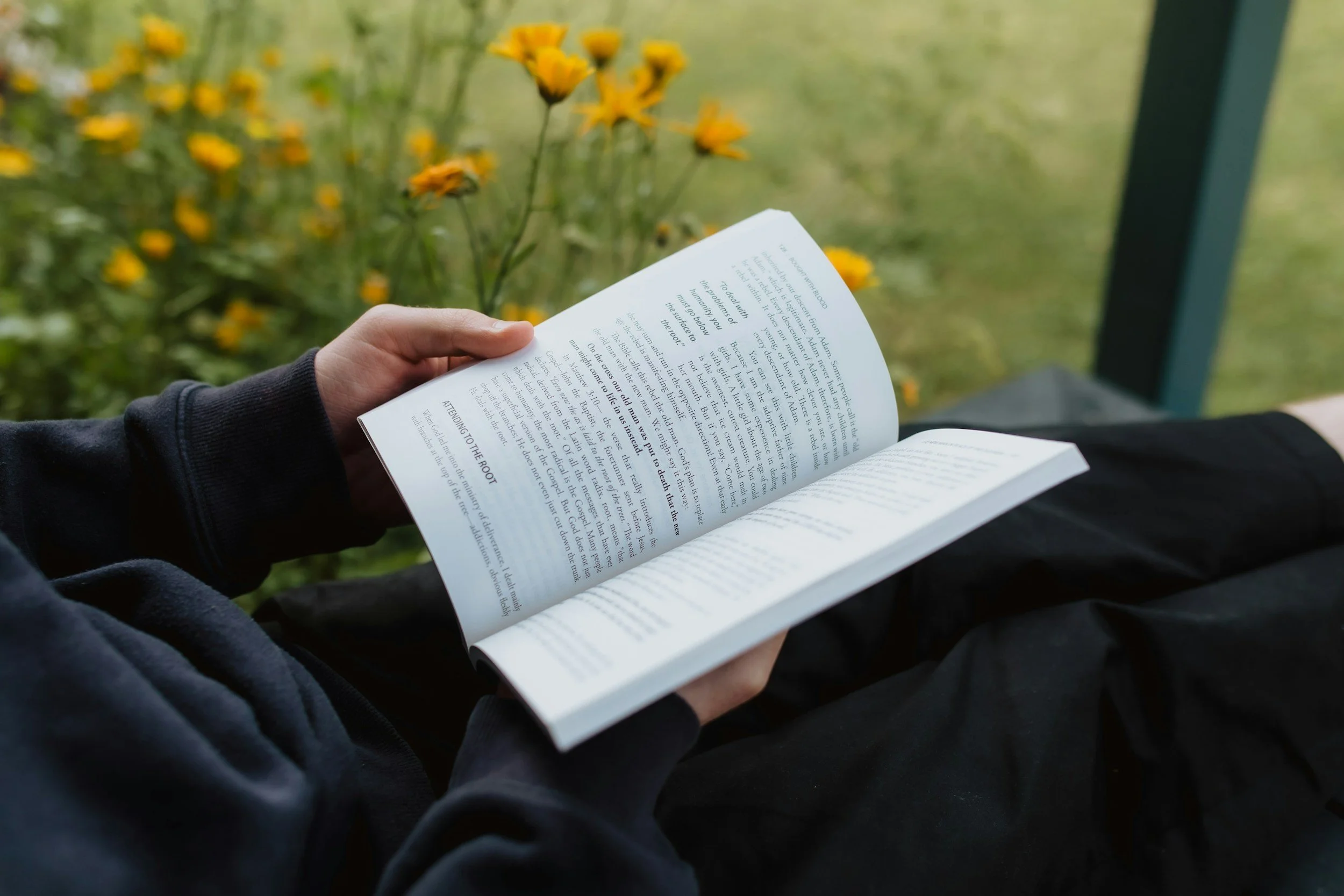
Writing in writer’s notebooks.I underline writer’s notebooks here because more and more, I think about the importance of writing with pencil/pen and paper. There is so much research to support what we instinctively know about the impact of screens on students’ (and our) focus and ability to dream and create. For more on this, I recommend two books I read this spring: The Anxious Generation by Johnathan Haidt and Stolen Focus by Johann Hari. Currently, I am reading The Power of Writing it Down by Allison Fallon. Her words in their first chapter have stayed with me:
“Writing is communication, self-discovery, creativity, spirituality, and self-expression. Writing is an essential tool we use to find and practice our sense of voice.” p. 9
My parting gift to my students will be helping them connect with the power of their voices. I love saying to them, “Just keep writing and see where it takes you.” This experience in writing as self-discovery is powerful. Writing can unearth desires, fears, and creative ideas we didn’t even know we had!
How will we do this? I’ll offer prompts from Spark! Quick Writes to Kindle Hearts and Minds in Elementary Classrooms by Paula Bourque. We’ll reread favorite poems and picture books from the year in order to lift a line, write off a favorite page or idea. I’ll take out my many mindfulness cards and see if they offer writing ideas. Finally, we’ll head outside and write about what we see, feel, hear, smell. We’ll let our minds wander.
Final thoughts
Rather than using my end of year reflection to plan for next year, I am letting it inform what I do right now, in these last 17 days. Who knows, this practice may even help me form habits that I will carry into next year? I’ll let you know how it goes!